Award Show Drama and Fan Reactions 2026
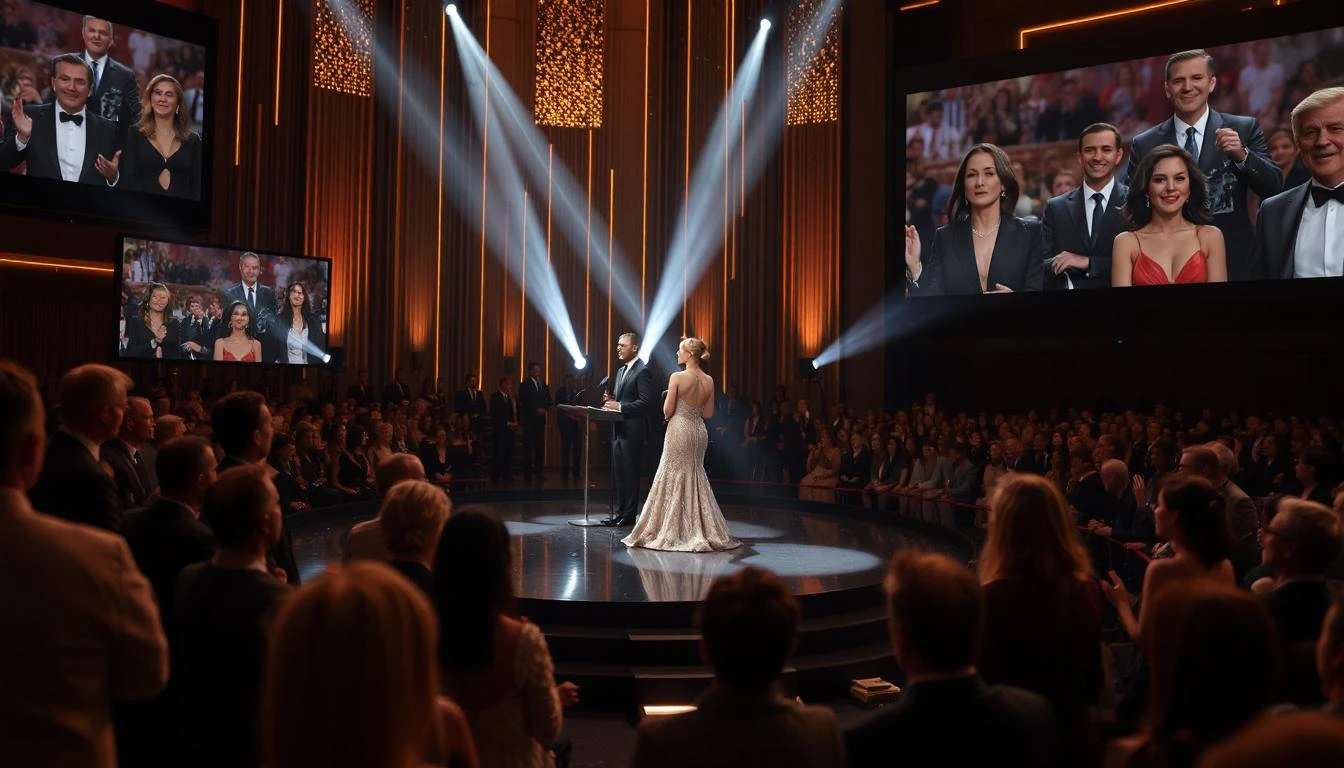
The entertainment industry in 2026 feels louder, faster, and more emotionally charged than ever before. Every nomination, every silence on stage, and every unexpected announcement now travels across the world in seconds, shaping conversations that feel almost impossible to contain. Audiences are no longer passive spectators, they are active participants in a constantly shifting digital stage where perception can change in real time.
What used to be a simple celebration of artistic achievement has now evolved into a global spectacle powered by instant reactions, digital debates, and viral moments that define cultural memory. In this environment, award show drama has become more than just entertainment, it is a reflection of how audiences, platforms, and celebrities interact in a hyper-connected world.
Changing Dynamics of Award Shows in 2026
Award ceremonies are no longer predictable events with fixed outcomes. They have transformed into interactive ecosystems where technology and audience behavior shape the experience from start to finish.
The evolution of modern entertainment has made live streaming award ceremonies 2026 a global standard, allowing audiences from different time zones to engage simultaneously. This shift has also intensified emotional responses, as viewers now feel directly involved in every moment unfolding on screen.
The growing influence of award show drama is strongly tied to how audiences now consume content in real time, reacting instantly and reshaping narratives within minutes.
Digital voting and audience participation
The rise of digital voting systems in award shows has changed the power structure of entertainment events. Viewers now contribute directly to outcomes, creating a hybrid model between expert juries and global audiences. According to media strategist Jonathan Reeves, “Audience participation has become the heartbeat of modern award shows; without it, relevance fades quickly.”
Live streaming award ceremonies
Streaming platforms have replaced traditional broadcast limitations, enabling real-time global participation. This accessibility fuels stronger emotional engagement and amplifies viral celebrity moments awards that spread instantly across platforms.
Global audience engagement strategies
Organizers now design events with interactive tools, multilingual broadcasts, and AI-assisted commentary. These strategies ensure deeper engagement while intensifying global discussions around award show drama, especially when unexpected results occur.
Viral Drama Moments in Award Events
The emotional unpredictability of award shows continues to be their strongest attraction. Every year, audiences anticipate not just winners, but moments that will define online culture.
Unexpected twists often become the foundation of award show drama, shaping how events are remembered long after they end.
The moment a name is announced, the world doesn’t just listen, it reacts instantly across thousands of digital spaces.
The keyword fan reactions social media plays a central role in amplifying these moments, turning personal opinions into global conversations within seconds.
Unexpected wins and controversies
Surprise victories often trigger debates about fairness, talent, and bias. These discussions dominate search trends and social platforms, making unpredictability a core feature of modern award shows.
Celebrity speeches going viral
Acceptance speeches are now crafted with awareness of digital audiences. Emotional expressions, political statements, or spontaneous remarks often become viral clips that define entire ceremonies.
Media analyst Clara Jennings notes, “A single speech can outlive the award itself, shaping public memory far longer than the ceremony.”
Fashion highlights and red carpet reactions
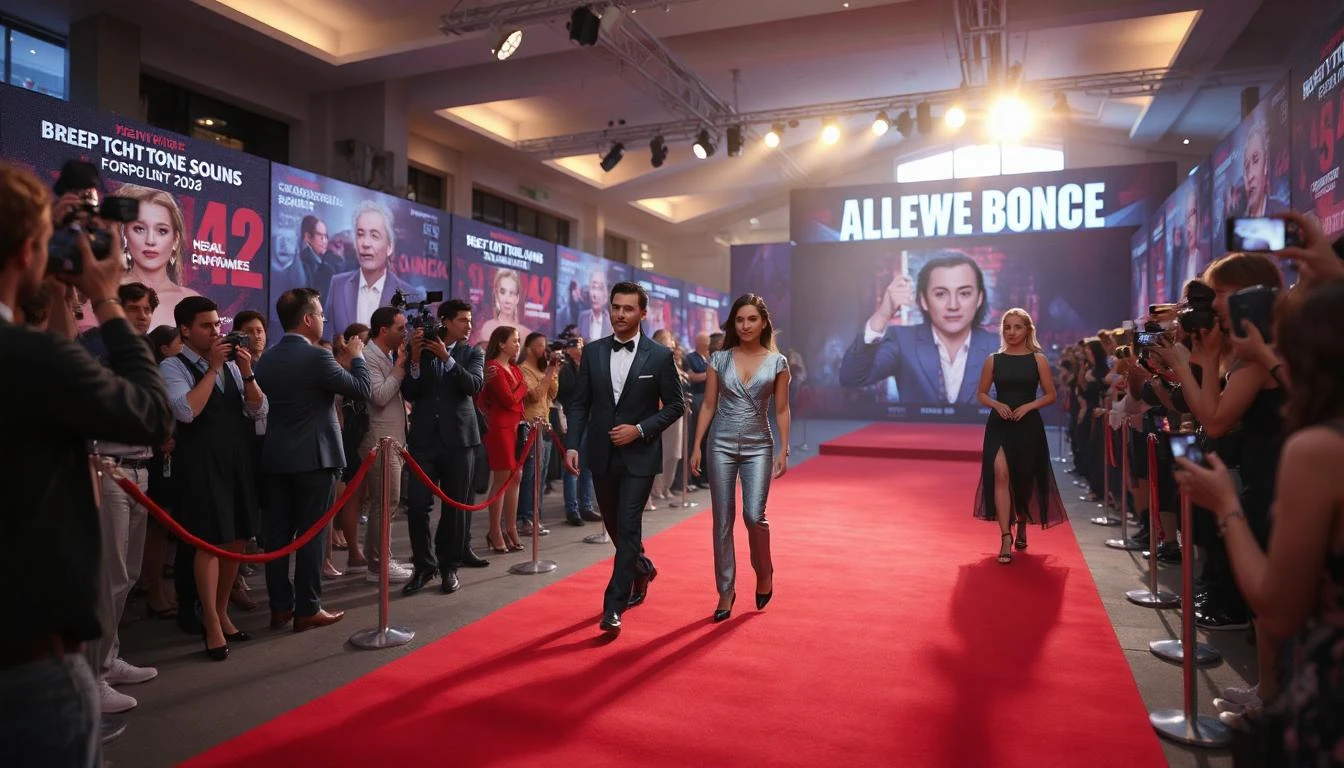
Red carpet appearances are no longer just about style, they are strategic branding moments. Designers and celebrities collaborate to create visuals that dominate red carpet fashion trends 2026 and fuel instant online reactions.
Social Media Amplification of Fan Reactions
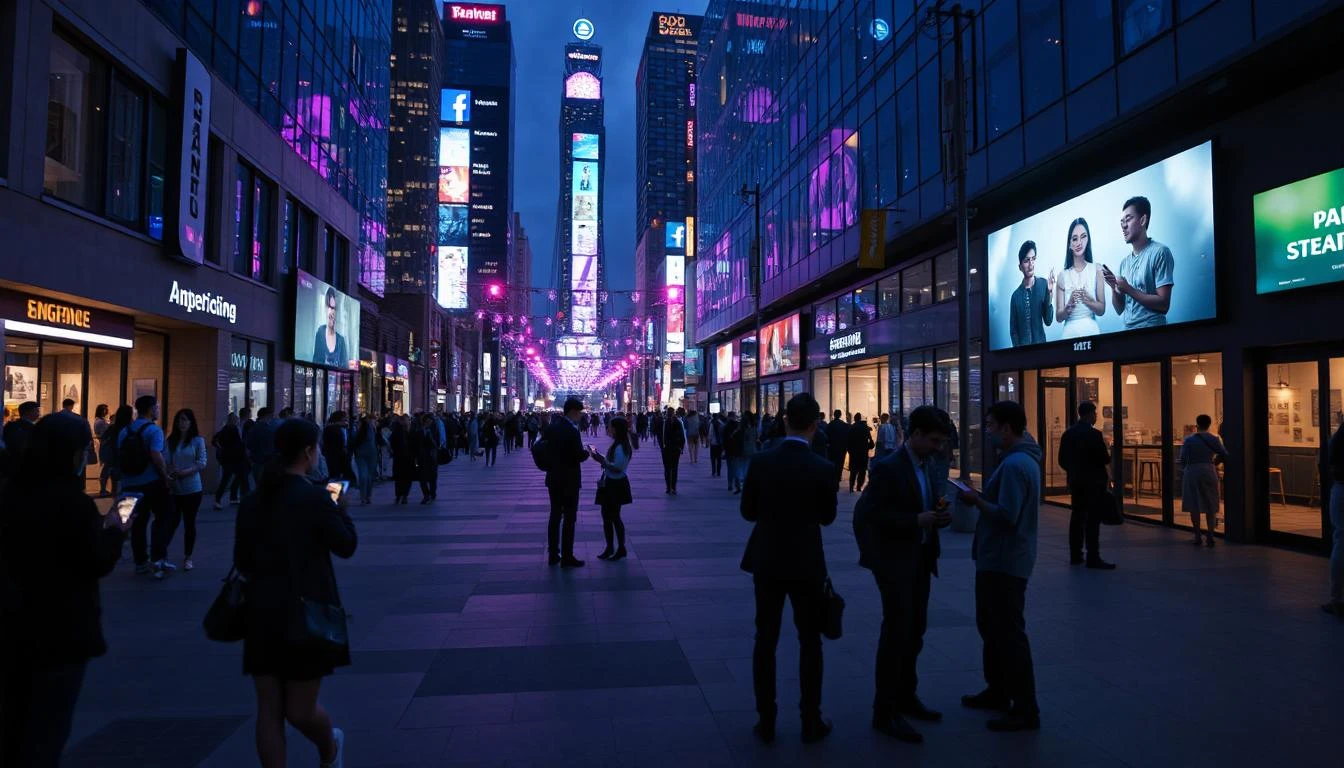
Social platforms have become the central engine driving global entertainment discussions. Without them, modern award shows would lose much of their cultural impact.
The intensity of award show drama is magnified through constant digital interaction, where every second generates new interpretations and debates.
Meme culture during award shows
Memes act as a parallel storytelling system, transforming facial expressions and awkward moments into global humor narratives that spread faster than official highlights.
Real time commentary on X and TikTok
Platforms like X and TikTok function as live reaction hubs. Users analyze speeches, predict outcomes, and engage in real-time commentary entertainment trends, creating a nonstop feedback loop.
Fan wars and online debates
Fandom communities often engage in heated discussions about fairness and representation. These debates can escalate quickly, turning award shows into digital battlegrounds of opinion and identity.
Join the Conversation on Award Show Culture and Fan Excitement
The modern entertainment ecosystem is no longer controlled solely by producers or networks. It is shaped by collective audience behavior, where every reaction contributes to a larger cultural narrative.
As Jonathan Reeves once emphasized, “The audience is no longer outside the show, they are inside it, shaping its meaning in real time.”
At the same time, Clara Jennings adds, “We are witnessing the transformation of entertainment into a shared digital consciousness, where reaction is as important as creation.”
This shift makes award show drama a living, evolving phenomenon that reflects how deeply interconnected global audiences have become.