Entertainment Culture Shift Social 2026
The way people consume entertainment is no longer predictable. It moves fast, fragments across platforms, and reshapes itself through every interaction. Audiences today don’t just watch content, they participate in its evolution, deciding what rises, what fades, and what becomes globally relevant within hours.
In this rapidly evolving digital environment, the entertainment culture shift is redefining how stories are created, distributed, and experienced across the world. It is not simply a trend; it is a structural transformation of global attention, where platforms, creators, and audiences are tightly interwoven in a continuous feedback loop.
Transformation of Entertainment Culture in 2026
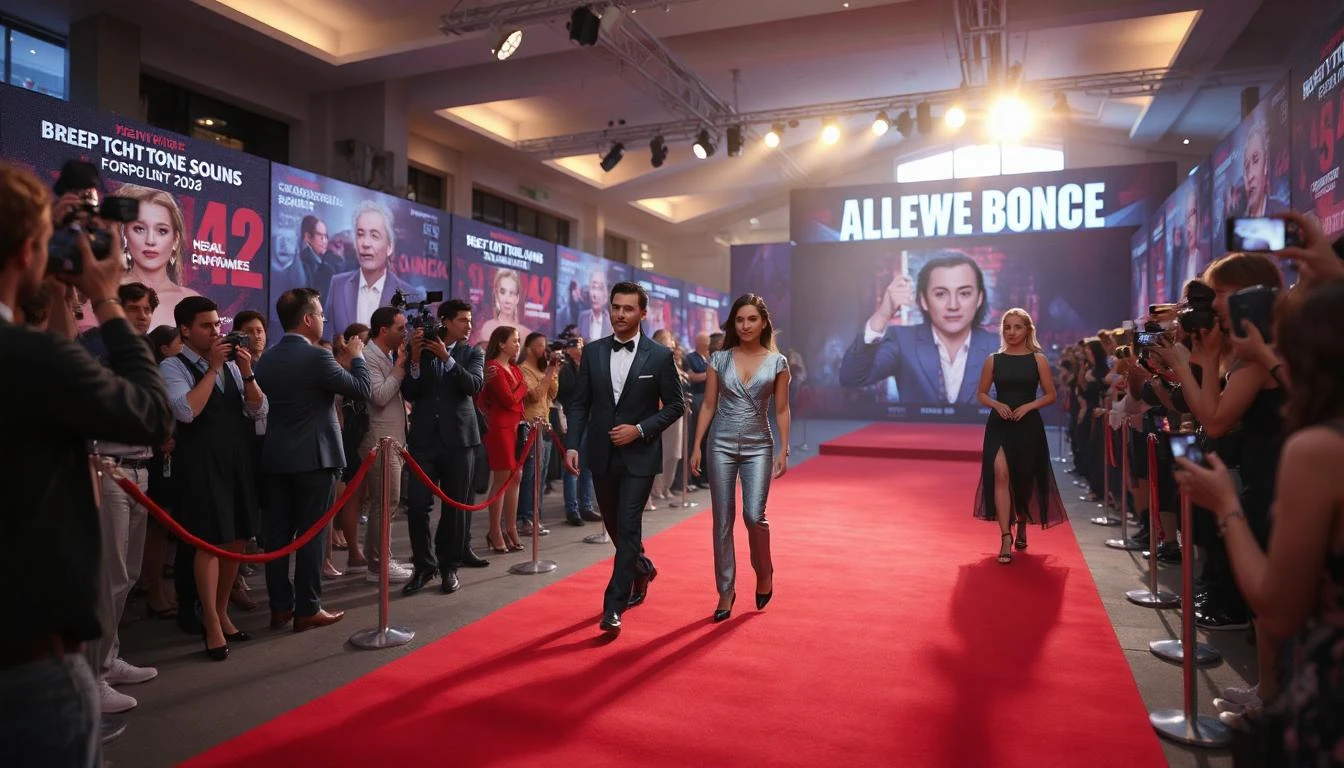
The entertainment landscape in 2026 feels almost unrecognizable compared to a decade ago. Traditional systems are no longer the gatekeepers of attention. Instead, digital ecosystems and decentralized platforms dictate what becomes visible and viral.
This section explores how entertainment structures are being rebuilt from the ground up, driven by technology, audience behavior, and creator-led ecosystems.
social media entertainment trends are now shaping how audiences define value in content, shifting focus from production scale to emotional resonance and shareability.
Shift from traditional media to digital platforms
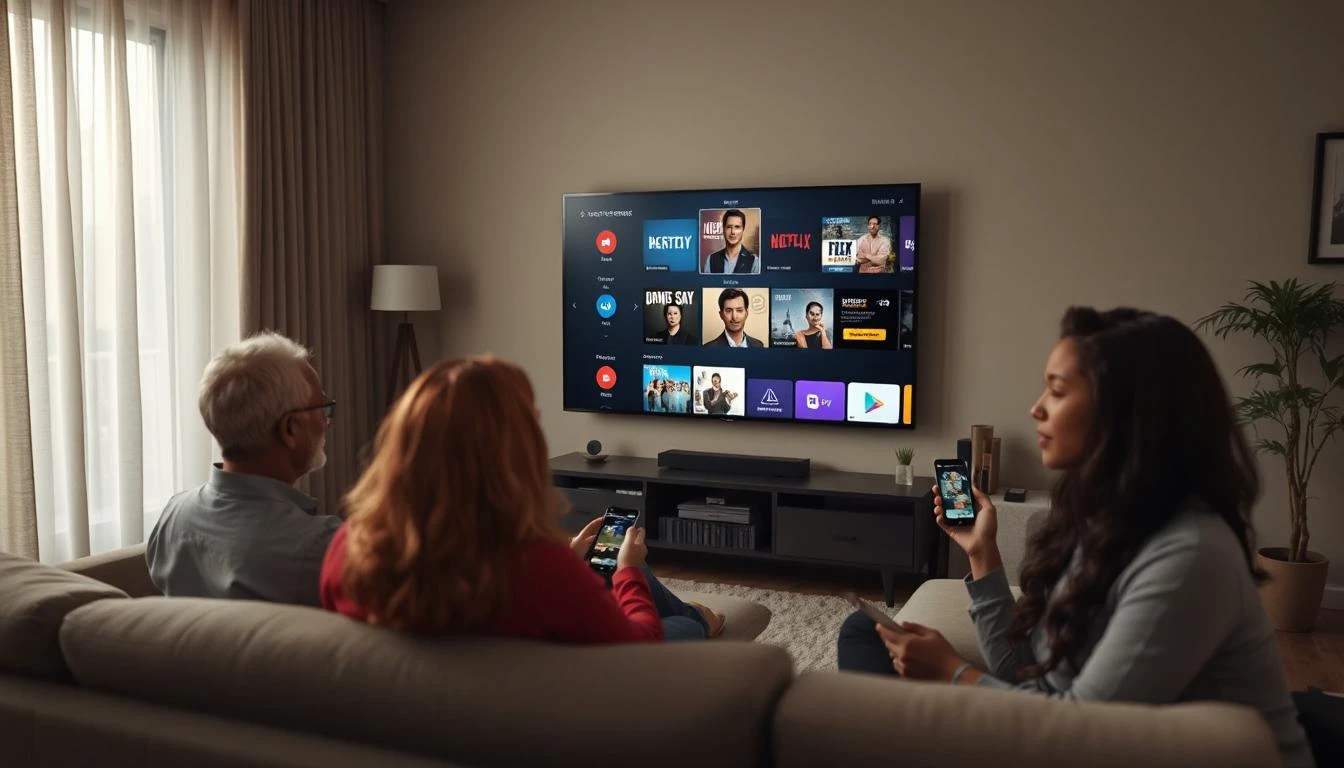
The migration from television, cinema, and radio toward streaming platforms and short-form ecosystems continues to accelerate. Viewers now expect instant access, personalized recommendations, and interactive storytelling formats that respond to their behavior.
As media analyst Jenna Caldwell states, “Traditional broadcasting is no longer the center of entertainment, it has become one of many nodes in a much larger digital network.”
Influence of Gen Z and Gen Alpha audiences
Younger generations are not passive consumers; they are cultural accelerators. Their preferences for authenticity, speed, and relatability are reshaping production standards across industries.
Long-tail search behavior such as “why Gen Z prefers short-form content over traditional television entertainment” reflects this deep behavioral shift in global audiences.
Creator economy dominance in entertainment
The creator economy has evolved into a parallel entertainment industry. Independent creators now rival studios in reach and influence, producing content that feels more personal and immediate.
Digital platforms empower individuals to become global entertainers without traditional intermediaries, redefining what it means to be a media producer.
Social Media as the New Entertainment Hub
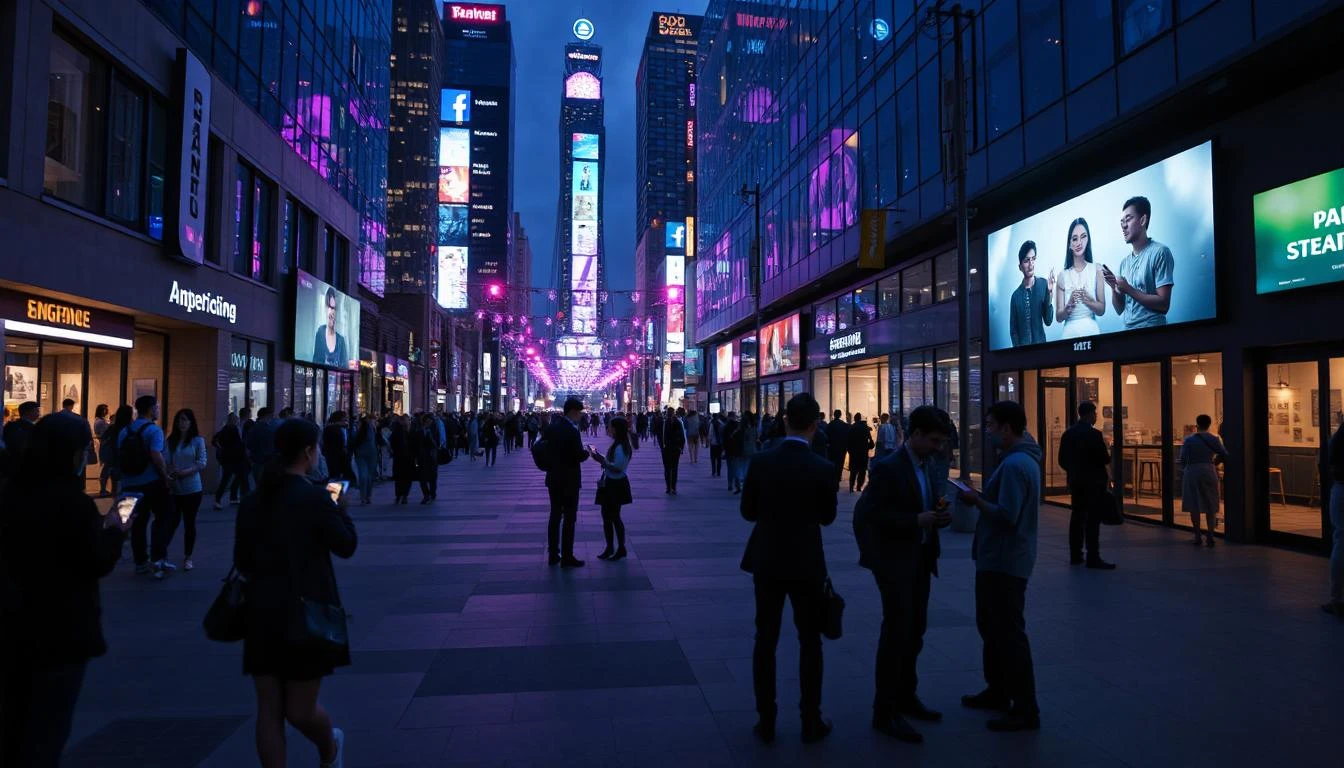
Social media platforms are no longer communication tools, they are fully developed entertainment infrastructures where culture is created, consumed, and redistributed in real time.
This transformation has turned every user into both an audience member and a potential broadcaster, reshaping how entertainment spreads globally.
algorithm-driven content discovery systems now determine what users see, making engagement patterns more influential than traditional marketing strategies.
Algorithm driven content discovery
Algorithms curate entertainment based on behavioral signals such as watch time, likes, and micro-interactions. This creates highly personalized content streams that differ from user to user.
According to media researcher Daniel Harper, “Algorithms don’t just recommend content, they construct reality based on engagement history.”
Short form entertainment dominance
Short-form video content dominates attention spans, compressing storytelling into seconds while maximizing emotional impact. This format thrives on immediacy and replayability.
The rise of platforms optimized for short-form content has fundamentally altered narrative structure in digital entertainment.
Community based content sharing
Communities now act as amplification networks. Content spreads through shared interests, niche groups, and participatory engagement rather than top-down distribution.
This creates micro-cultures where entertainment evolves organically within digital communities.
Future of Global Entertainment Consumption
The future of entertainment consumption is becoming increasingly hybrid, where human creativity, artificial intelligence, and global cultural exchange intersect seamlessly.
Entertainment is no longer bound by geography or language, it is shaped by technology and shared digital behavior patterns.
AI-generated entertainment content is becoming a core driver of production, enabling faster, more scalable creative outputs across industries.
AI generated entertainment content
Artificial intelligence is now capable of producing scripts, visuals, and even music compositions. This reduces production time while expanding creative experimentation.
AI-assisted storytelling is expected to become a standard practice in mainstream entertainment production.
Virtual influencers and digital celebrities
Virtual influencers are redefining celebrity culture. These digital personalities maintain consistent branding, engage audiences globally, and operate without physical limitations.
They blur the line between fiction and reality in entertainment ecosystems.
Cross cultural entertainment trends
Global entertainment is increasingly hybridized. Korean pop influences Western music, anime aesthetics shape global animation styles, and Latin rhythms dominate global charts.
As cultural theorist Michael Reyes explains, “Entertainment is no longer exported, it is co-created across borders.”
Explore the Future of Entertainment Culture and Social Media Evolution Today
The entertainment ecosystem is no longer linear or predictable. It is shaped by algorithms, creators, and audiences simultaneously. The entertainment culture shift continues to accelerate, redefining how attention is earned and sustained across digital platforms.
What makes this shift particularly powerful is its permanence. Once audiences adapt to personalized, interactive entertainment, there is no return to static consumption models.